Political Refereeing Under Scrutiny Following Heated Knockout Clash
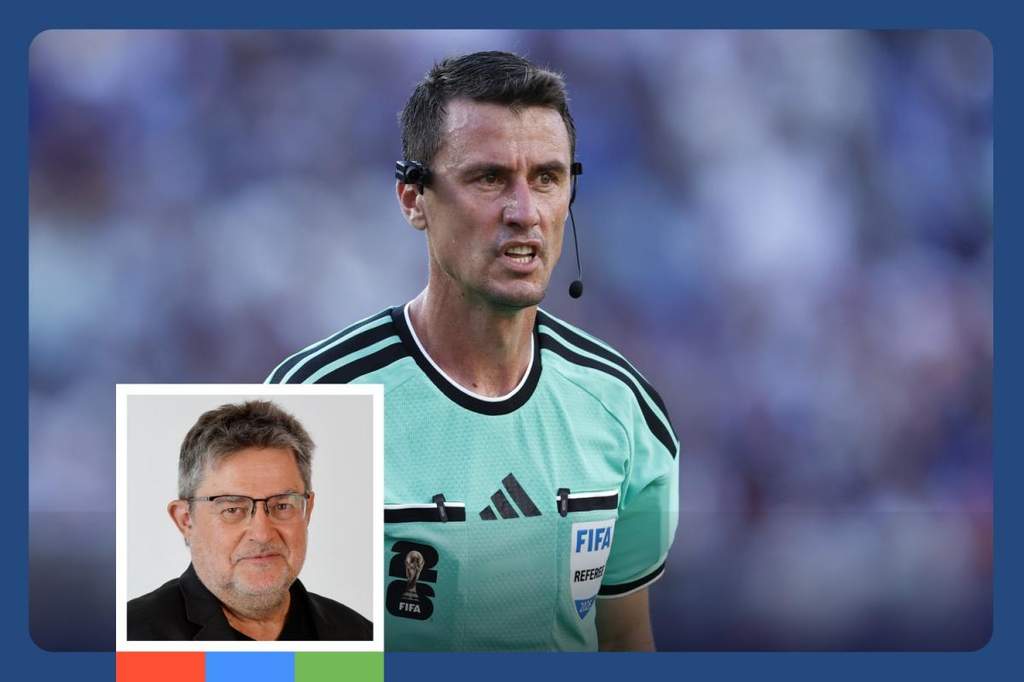
Les Bleus secured their passage to the next round despite facing a highly aggressive tactical setup from Paraguay. Referee Ilgiz Tatanshev came under intense scrutiny for failing to protect the players, allowing Matias Galarza and his teammates to commit persistent fouls with minimal punishment throughout the tense encounter.
The controversy deepened as Michael Olise received an unwarranted yellow card that leaves him walking a disciplinary tightrope for the upcoming quarter-final. This strict officiating stood in stark contrast to the lenient treatment historical icons and rival nations have received, sparking fresh debates about competitive equity at international level.
Read Also
The modern landscape of officiating appears to have shifted from historical corruption toward a more subtle form of political influence. Recent instances, such as the sudden rescinding of a red card for American forward Folarin Balogun amid rumors of high-profile political interventions, have amplified global concerns regarding the neutrality of decision-making.
While South American passion and physical commitment are celebrated aspects of the global game, FIFA officials must ensure consistent standards across all fixtures. For France, navigating this volatile atmosphere keeps their championship ambitions alive, though the long-term implications of these refereeing trends continue to worry tournament observers.