Headlines
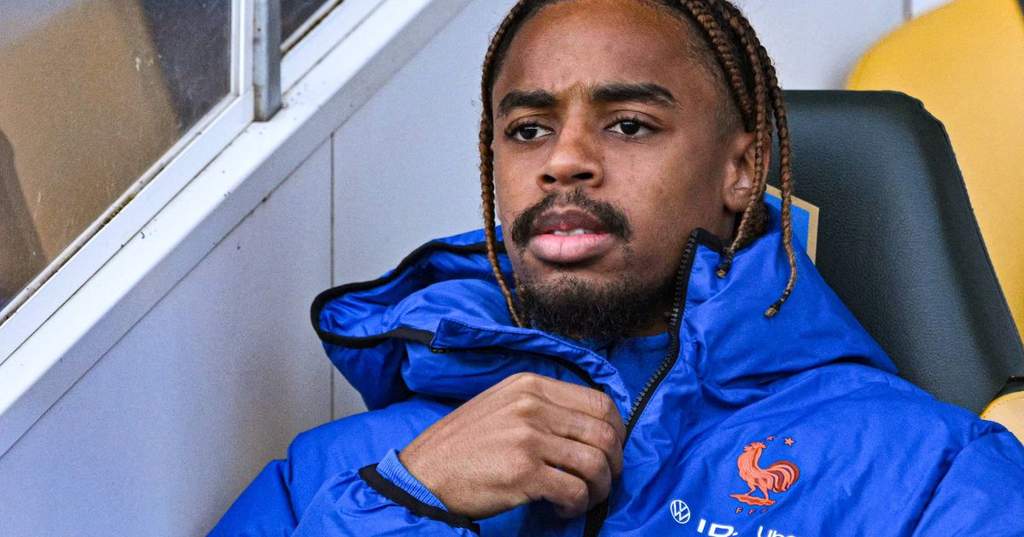
PSG Set 170 Million Euro Asking Price For Bradley Barcola
Paris Saint-Germain demand a staggering 170 million euros for Bradley Barcola after the French winger refused to sign a contract extension.

PSG Target Ferran Torres as Bradley Barcola Eyes Exit
Paris Saint-Germain target Barcelona forward Ferran Torres in a 55 million euro transfer deal as Bradley Barcola nears a move to England.
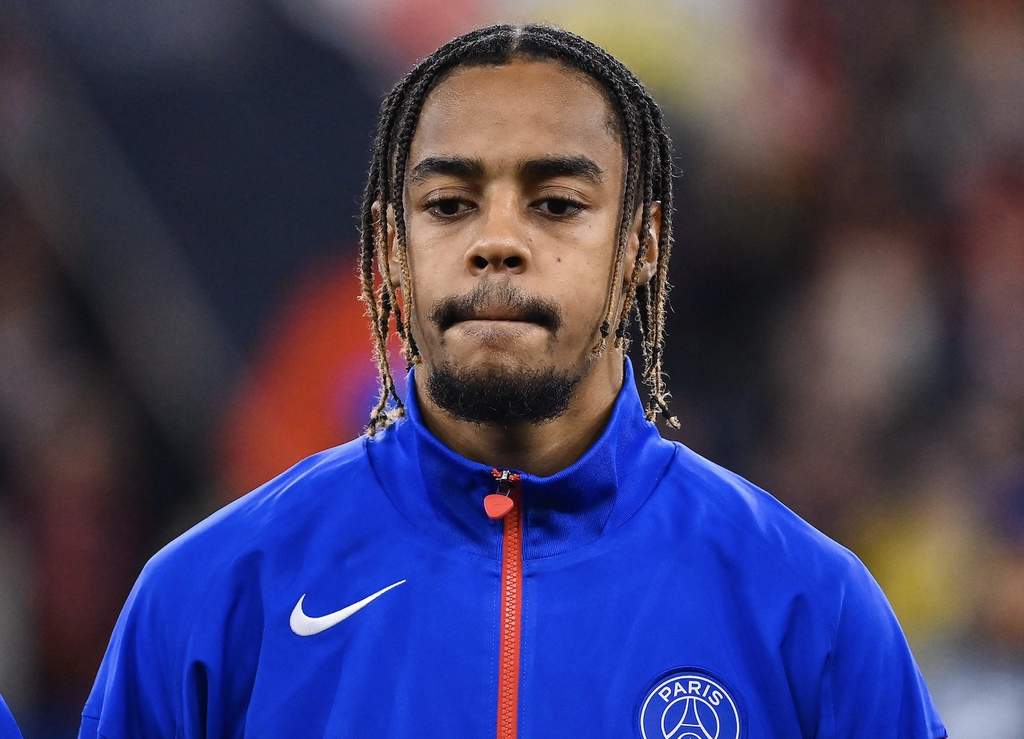
PSG Star Bradley Barcola Contract Stalemate Sparks Exit Rumors
Paris Saint-Germain forward Bradley Barcola faces an uncertain future as contract talks stall amid growing frustration over his playing time.
Latest News
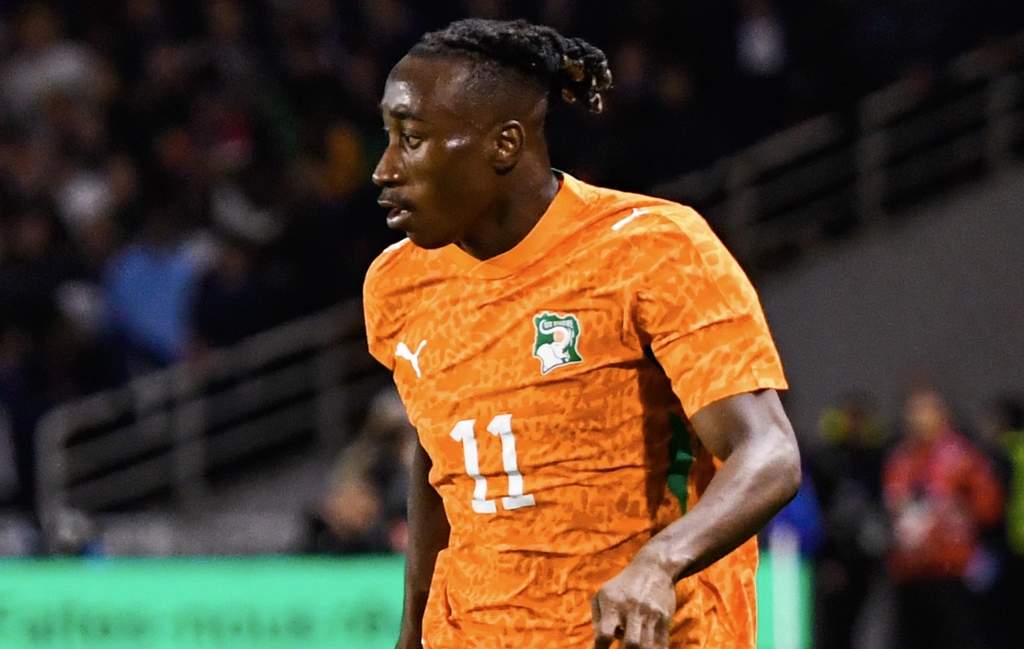
Elton Mokolo Slams PSG Over Handling of Yan Diomande Transfer
Renowned sports pundit Elton Mokolo has strongly criticized Paris Saint-Germain's communication following their withdrawal from the race for Yan Diomande.
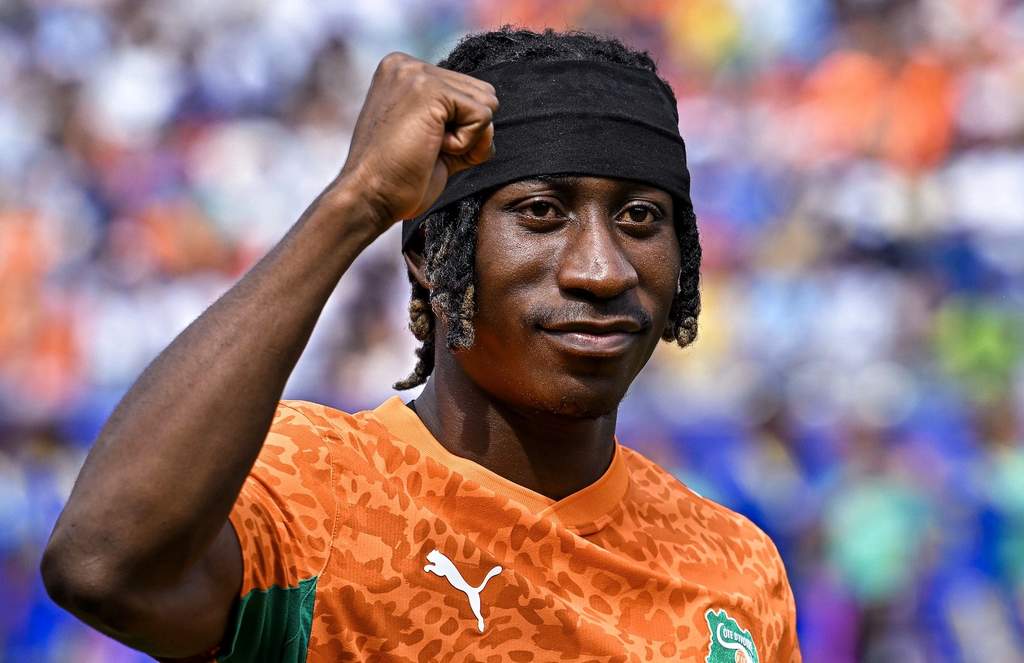
PSG Drop Out of Yan Diomandé Race Over Valuation
Paris Saint-Germain have made a definitive decision to withdraw from the race to sign highly rated young forward Yan Diomandé during the summer transfer window.

Liverpool Submit Huge Opening Bid for PSG Winger Bradley Barcola
Premier League giants Liverpool have reportedly launched a massive opening transfer bid of over 100 million euros to secure Paris Saint-Germain winger Bradley Barcola.
PSG Transfer News: Kevin Diaz Urges Move for John Stones
Pundit Kevin Diaz has urged Paris Saint-Germain to target former Manchester City defender John Stones during the current summer transfer window.
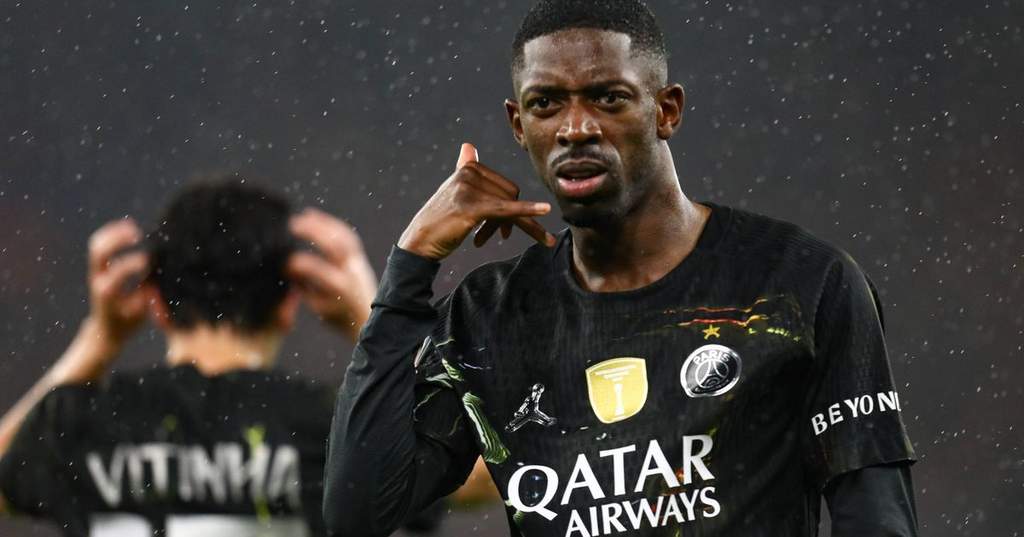
PSG Star Ousmane Dembele Nears Imminent Contract Extension
Paris Saint-Germain star Ousmane Dembele is reportedly closing in on a major contract extension with the French capital club.
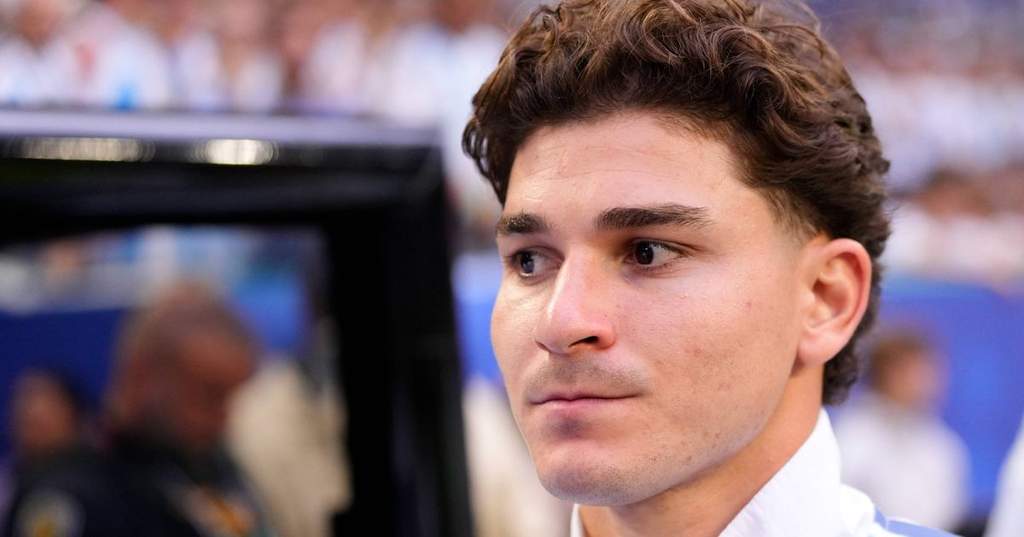
PSG and Arsenal in Race as Atletico Open to Julian Alvarez Sale
Atletico Madrid is open to selling striker Julian Alvarez this summer, with Paris Saint-Germain and Arsenal positioning themselves for a transfer.
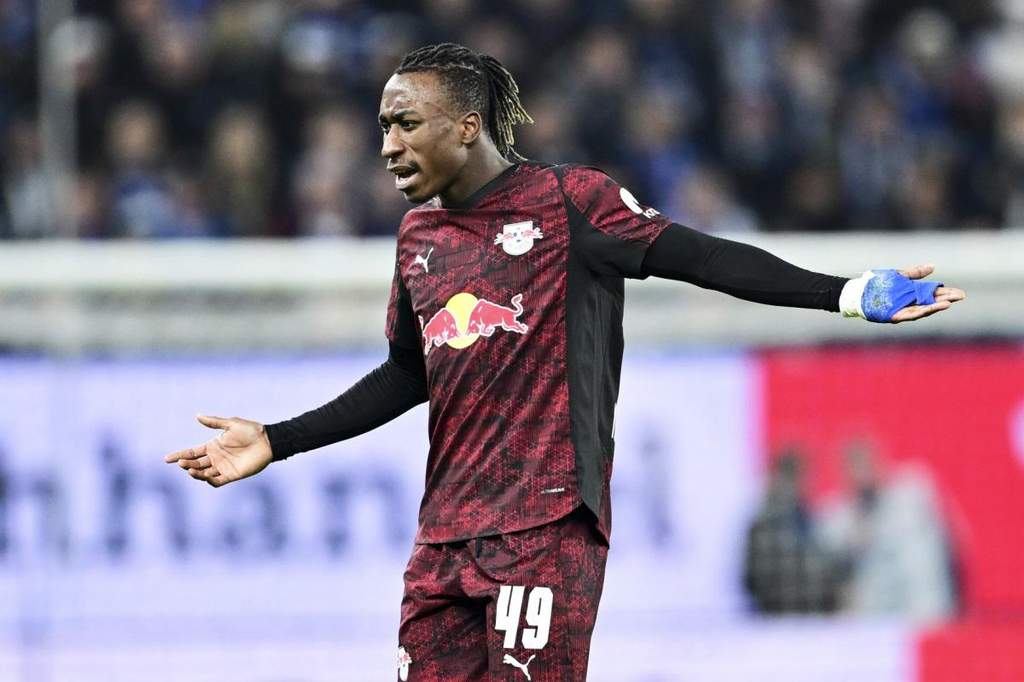
Real Madrid Hijacks PSG Deal for RB Leipzig Star Yan Diomande
Real Madrid stuns Paris Saint-Germain by hijacking the transfer deal for 19-year-old RB Leipzig forward Yan Diomandé in the final stretch.
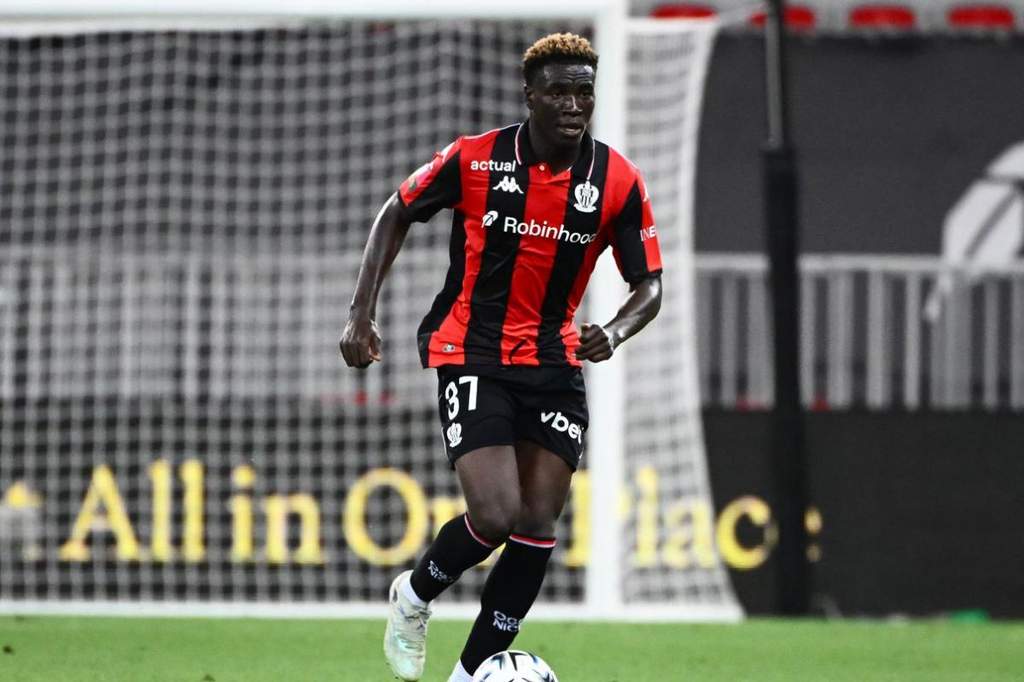
Burnley and Trabzonspor Target Nice Defender Kojo Peprah Oppong
OGC Nice defender Kojo Peprah Oppong attracts interest from Burnley and Trabzonspor ahead of a potential multi-million-euro summer transfer.

Summer 2026 Transfer Window Tracker: Big Five Leagues Updates
The summer 2026 transfer window is in full swing as European clubs race against the clock to finalize their squads ahead of the upcoming season deadlines.

PSG's Biggest Failed Transfers of the QSI Era Revealed
Discover the high-profile transfer targets that slipped through Paris Saint-Germain's fingers throughout the ambitious QSI ownership era.