How an Ultimatum and a Paper Napkin Altered Football History
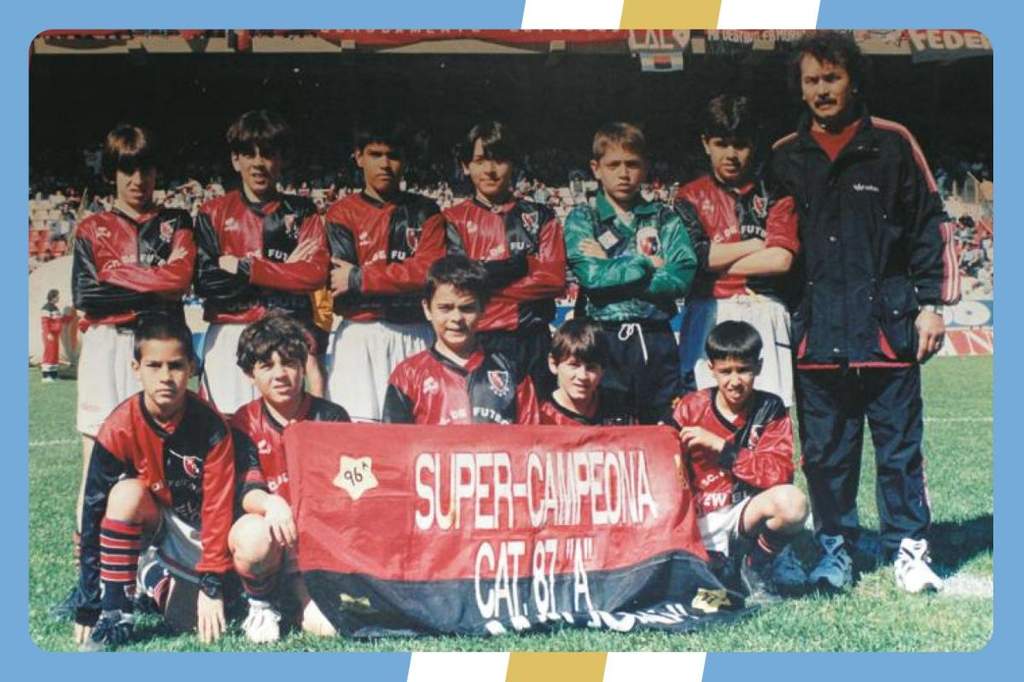
Before Lionel Messi shattered records and collected dozens of trophies in Catalonia, his initial transfer from Newell's Old Boys was plagued by bureaucratic hesitation. Former player agent Horacio Gaggioli revealed that despite a stellar trial alongside Gerard Pique and Cesc Fabregas, Barcelona board members hesitated due to the teenager's growth hormone deficiency and the costly logistics of relocating his family.
By December 2000, after months of silence from the club, Messi's camp issued an ultimatum during a tense lunch at a Barcelona tennis club. Fearing they would lose the prodigy to rivals, sporting director Charly Rexach grabbed a nearby paper napkin and scribbled an official commitment to sign the 13-year-old forward, providing the legal guarantee needed.
Read Also
Even after the napkin agreement, the technical setup was rocky as conservative youth coaches struggled with Messi's individualistic, futsal-style dribbling. "They always tried to make him a team player," Gaggioli noted, though Messi's innate understanding of the game eventually won them over, highlighted by a legendary hat-trick scored immediately after a transatlantic flight.
The Argentine maestro nearly left Camp Nou on a loan deal to city rivals Espanyol in 2005 after a complicated integration under manager Frank Rijkaard. However, a masterclass performance against Juventus in the Joan Gamper Trophy forced a final board intervention, cementing his place in a first team he would eventually lead to global dominance.